
Case study Lingerie & swimwear

How Soda Lingerie implements the Digital Product Passport in Vienna

The Viennese workshop behind Soda Lingerie makes lingerie, swimwear and basics from TENCEL™ Modal – sewn in its own studio. With SolveDPP the team brings material, origin and care data together in ESPR-compliant product passports and makes them transparent via QR code.

Industry
Lingerie & swimwear
Location
Vienna, Austria
Production
Own studio
Materials
TENCEL™ Modal, mesh
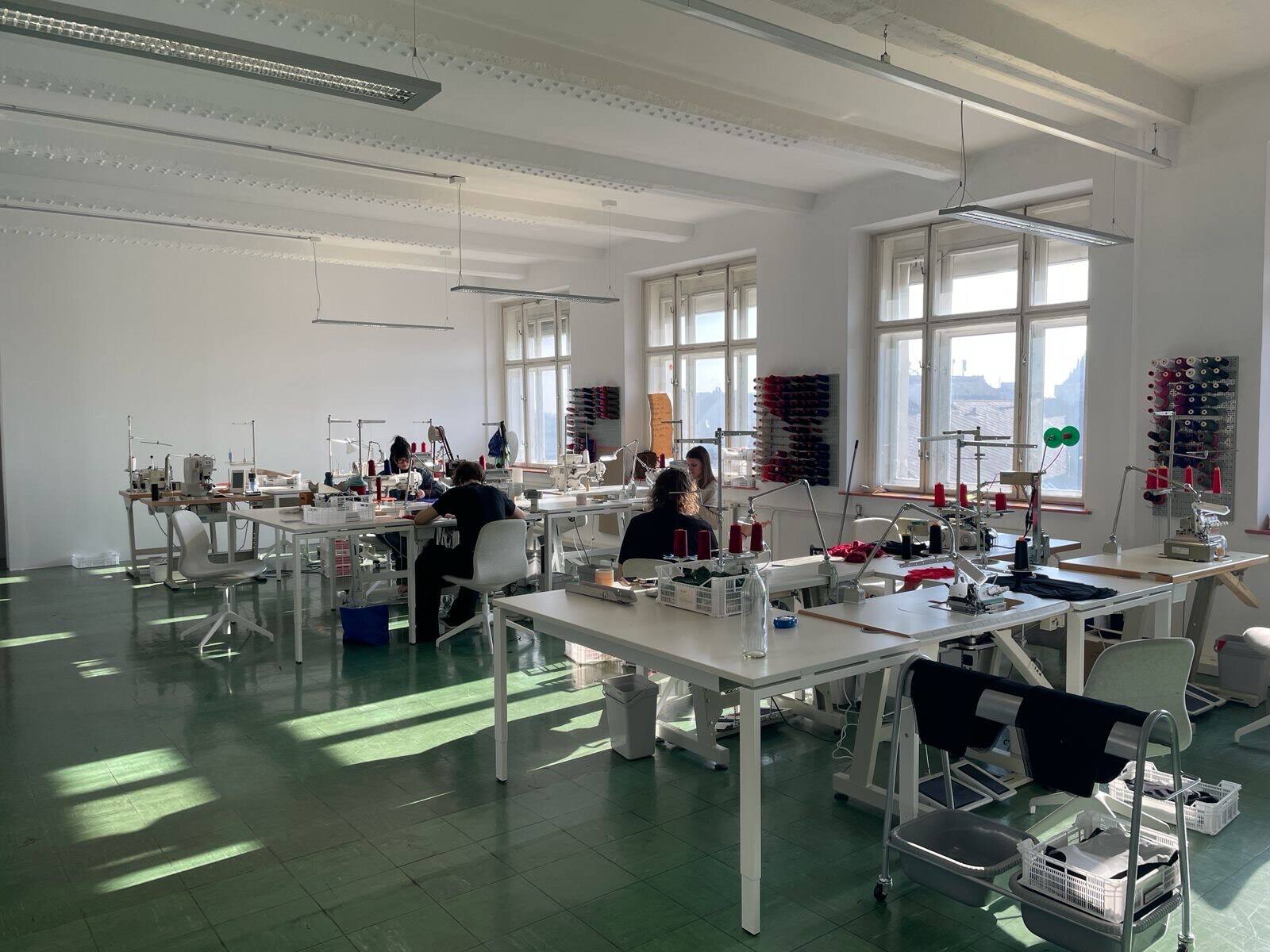
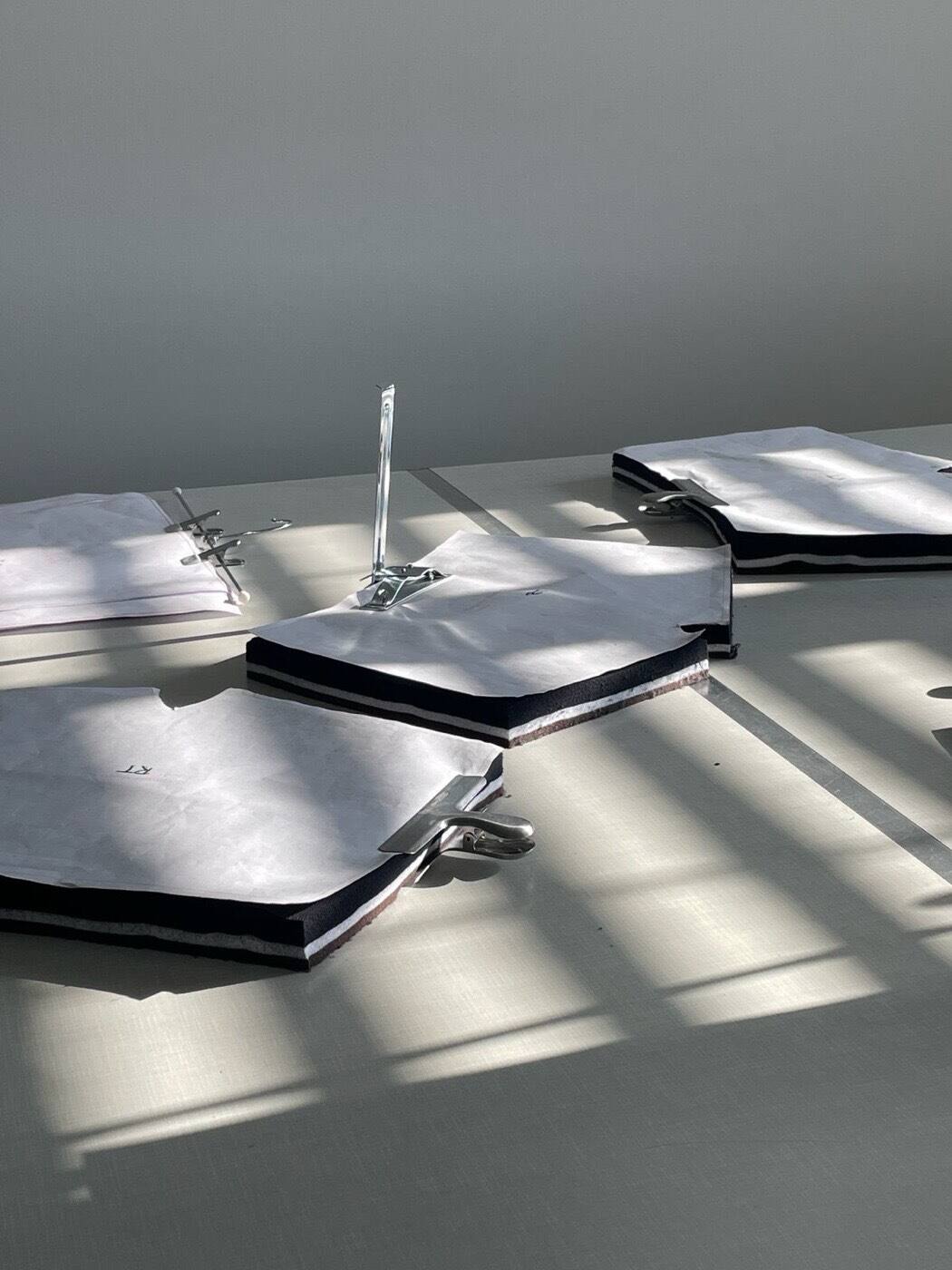
Soda Lingerie sewing room: workstations with sewing machines and thread spools in the light-filled Vienna studio Cut fabric pieces with patterns and clips on the cutting table
−73%
effort per product passport
3 weeks
from kickoff to the first public DPP
100%
mandatory ESPR fields validated
220
items with a complete DPP
Severin Wiesbauer, Managing Director of Soda Lingerie

"Our fabrics come from the region, and sewing happens in our studio in the heart of Vienna. With SolveDPP every item carries its product passport – making our local suppliers and our production in Vienna visible to everyone."

Severin Wiesbauer Managing Director, Soda Lingerie
Starting point

Material knowledge in spreadsheets and labels

Origin, fiber content and care instructions lived in spreadsheets, emails and sewn-in labels. But for the ESPR the Digital Product Passport requires structured, verifiable and versioned data – per item, not per collection.
Solution

One central DPP per item

In SolveDPP the team captures fibers, material shares, fabric origin and care data in one place. AI Auto-Complete pre-fills recurring fields, field validation checks mandatory ESPR data, and every item gets a QR code linking to a public DPP page.

Result

Live in three weeks

Instead of around 45 minutes, a product passport now takes about 12 minutes. The entire catalog is documented in an ESPR-compliant way, follow-up questions from purchasing and compliance have noticeably dropped – and customers see the origin right on the product.

Effort per product passport

Average processing time per item – before versus with SolveDPP.

Illustrative figures based on the initial population of the catalog.

What a DPP captures — example "Modal Soft Bra"

Material composition and mandatory data as structured in the product passport.

  • TENCEL™ Modal 60%
  • Polyamide 28%
  • Elastane 12%
Origin Vienna (AT)
Care 30 °C, gentle
Weight 78 g
Circularity Repair service

Illustrative data set to demonstrate the DPP structure.

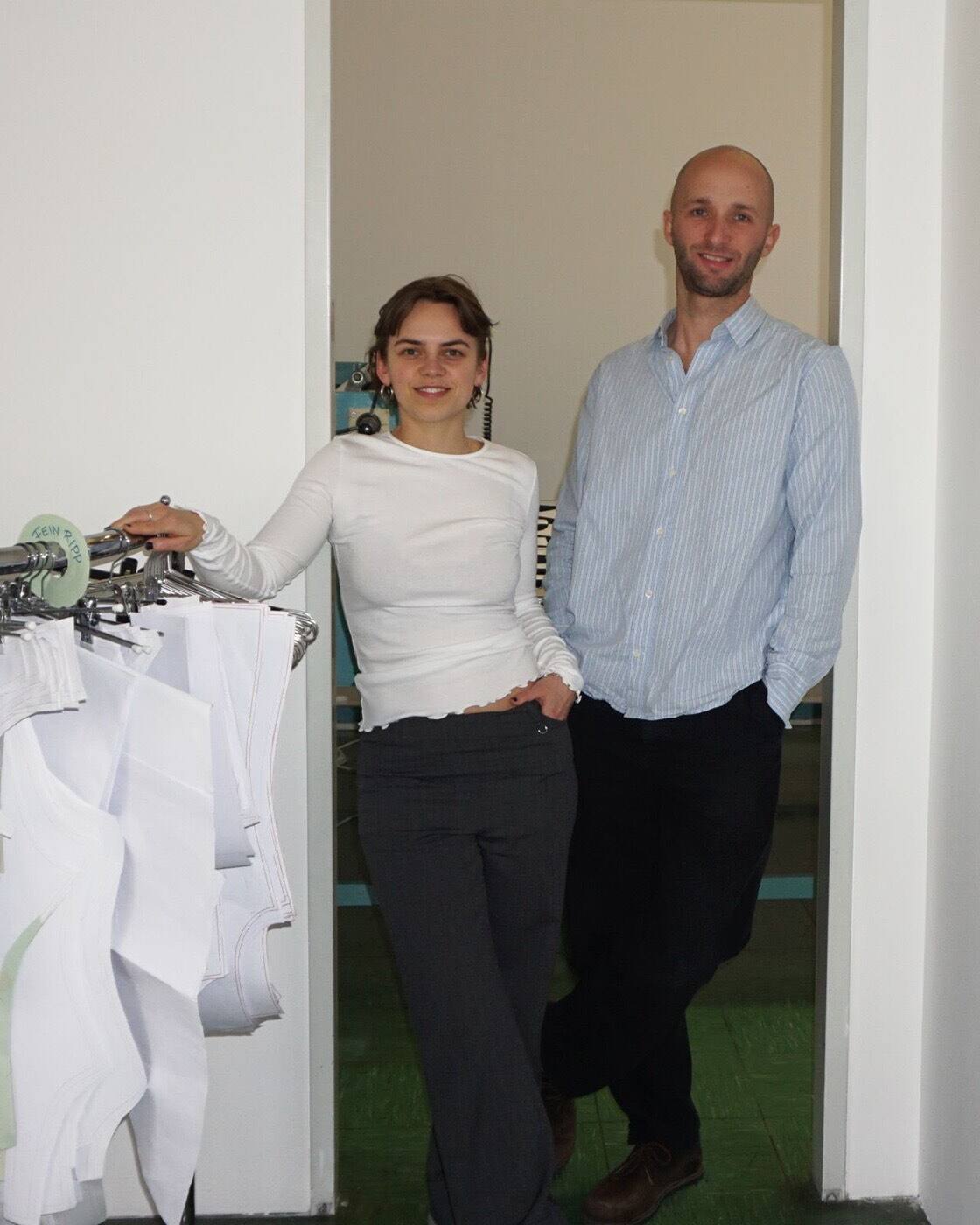
The founding team of Soda Lingerie next to a rack of patterns in the studio
The founding team of Soda Lingerie in the studio.
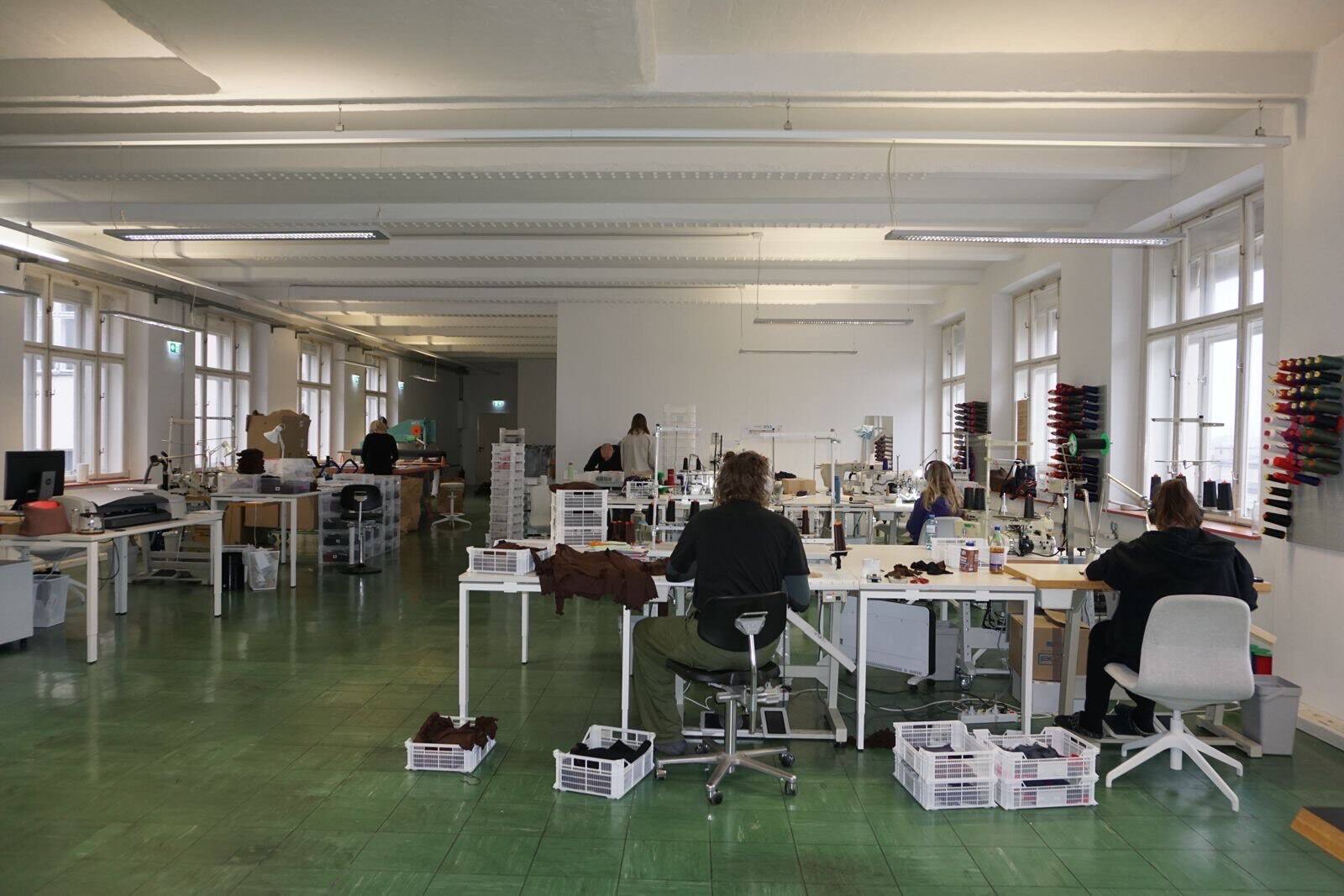
A look inside Soda Lingerie's production: cutting, sewing and assembly under one roof
Cutting, sewing and shipping under one roof – in the heart of Vienna.

Make your catalog ESPR-compliant just as fast?

See in a demo how SolveDPP speeds up the Digital Product Passport for your textile products – from material shares to the QR code.